Signal over noise, selected from freely readable sources.
The briefing
Top 7 to Read Today
Swipe to explore →
Loading today’s briefing…
Beyond the seven
Latest by section
Using the checked-in edition
Resilient edition
Checked-in Top 7
This source-attributed snapshot remains available if scripts or the automated refresh fail.
01
The Guardian · · 3 min · 593 words available
The Guardian view on plague in Russia: what is most worrying is the lack of information | Editorial
In the three weeks since a health worker’s death in Siberia, officials have stonewalled the WHO – setting a worrying precedent for future pandemics Is there a plague outbreak in Russia? If the answer were a clear yes, there shouldn’t be much reason to worry. With swift medical intervention, plague is treatable. But in the nearly three weeks since a worker at a Siberian plague research unit died of a mysterious respiratory illness, state officials have been consistently tight-lipped about what happened and whether there were any further cases. It is this uncertainty that has the World Health Organization (WHO) and international community worried: partly because there is a – very small – risk of an outbreak, and partly because it is yet another warning that the international coordination we rely on to prevent pandemics is fraying along with the rest of international politics, and could easily fail to protect us in the future. Continue reading...
People playing loud music on buses could face £100 fine
Antisocial behaviour on buses in England could lead to fines while a new campaign is also being launched for trains. A national campaign asking rail passengers "share the carriage, not the noise" is being launched.
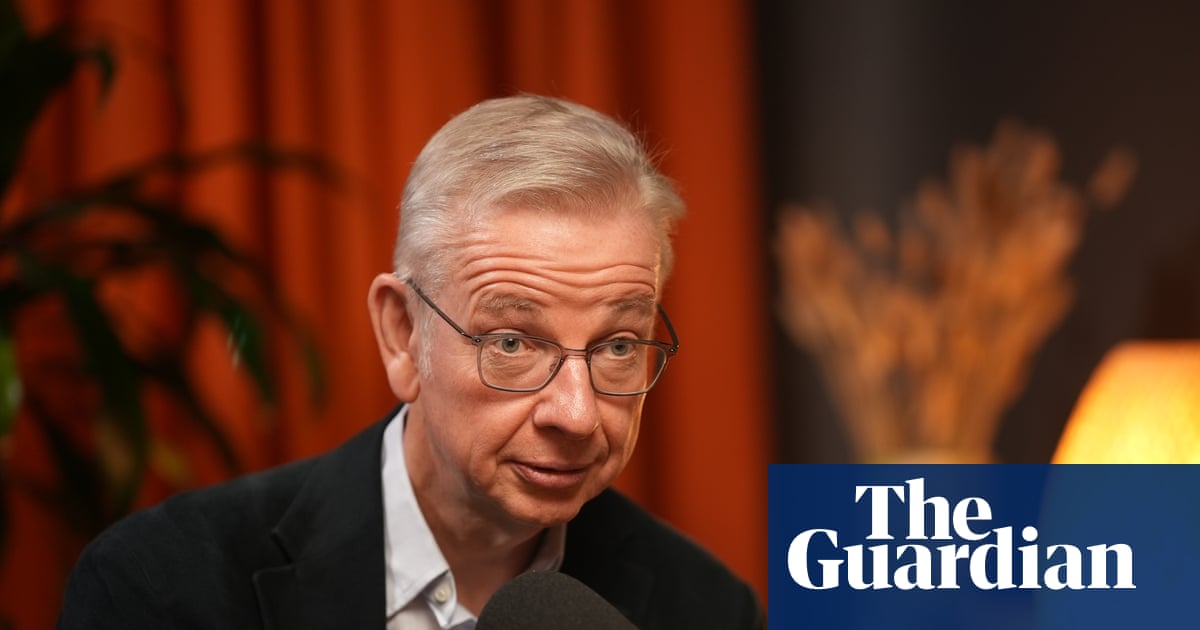
‘Austerity is inevitably painful’: How Michael Gove justifies his politics | Radical Thinking with Aditya Chakrabortty
For more than three decades, Michael Gove has been a leading figure in British Conservatism. As a journalist, government minister and now editor of the Tory bible the Spectator, he has helped shape the right even as it has moved further rightwards. In the latest episode of Radical Thinking, Gove joins Aditya Chakrabortty to discuss the future of the right, his record on Brexit and austerity, and the Spectator’s position on Islam Watch the full episode with Michael Gove here . Aditya’s suggested reading: To read the fruits of Michael Gove’s dalliance with the Marxism Today gang, look up his essay in a 1998 collection called The Moderniser’s Dilemma: Radical Politics in the Age of Blair For a slalom ride through Michael Gove’s years in power, read The Demented Dalek by the historian Richard J Evans in the London Review of Books To learn more on what’s become of the British right, there’s a Guardian column by Aditya Phil Burton-Cartledge analyses in depth why the most successful political party is now failing in his book The Party’s Over: The Rise and Fall of the Conservatives from Thatcher to Sunak Phil also writes a very good blog on British politics, which keeps a close eye on how each party is trying to marshall a coalition of voters. Here he is on Kemi Badenoch Geoffrey Wheatcroft does an entertaining short narrative in Bloody Panico!: or, Whatever Happened to The Tory Party For more on the economics of the Cameron years, this paper is acute on how the Tories failed to move the UK away from being a country of renters towards a country of makers. Two of its authors will join us for a podcast later in the series. And if you want to read how Brexit may have cost the UK 8% of GDP, there’s this paper based on data from the Bank of England Finally, on the Spectator, read Nesrine Malik’s recent Guardian column Why has Britain’s oldest political magazine become such a rabid cheerleader for Islamophobia? Continue reading...
Small business owners are doing OK – but will that help Trump overcome his low approval ratings?
Overall, economic sentiment for Trump is poor, but small businesses seem fairly confident, according to several surveys There are 34m small businesses in the United States. They employ approximately half of the country’s workers and generate about half of the country’s GDP. They’re an important voting block. So how are they feeling about the economy as we head into November’s midterm elections? Overall, economic sentiment for Donald Trump is poor but small business – admittedly a diverse demographic that’s hard to poll – seems fairly confident. A number of recently published surveys and reports can help understand their mood. Confidence is generally stable. Continue reading...